Kovac’s Indole Test Kit

Features:

  • For differentiating Proteus mirabilis (indole-negative) from other Proteus species (indole-positive).
  • For differentiating Klebsiella pneumoniae (indole-negative) from Klebsiella oxytoca (indole-positive).
  • For differentiating Citrobacter freundii (indole-negative) from Citrobacter koseri (indole-positive).
  • High sensitivity and rapid detection capability
  • Easy to use
  • Includes a Job Aid to facilitate operator use
  • Competitive in quality and price with leading brands

Description

The Kovac’s Indole Test Kit from Amir Peyvand Company is used to identify bacteria capable of degrading the amino acid tryptophan. This kit is applied in the detection and differentiation of Enterobacteriaceae bacteria.

Related Products
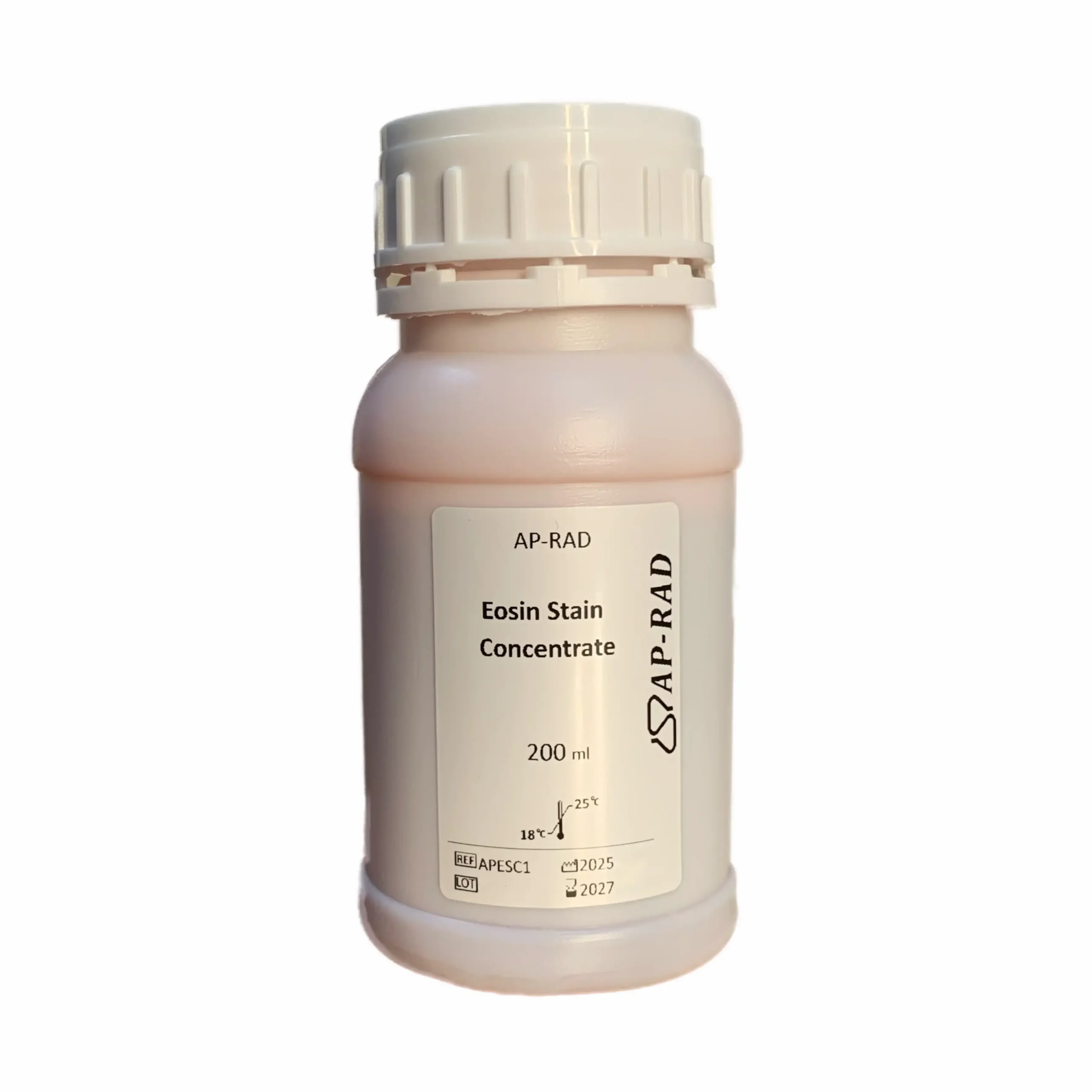
# Eosin Stain Kit
REF: APESC1
RUO
In the field of hematology, there are generally various staining kits and solutions that fall under the category of Romanowsky stains (blood staining with dyes containing thiazine and eosin).
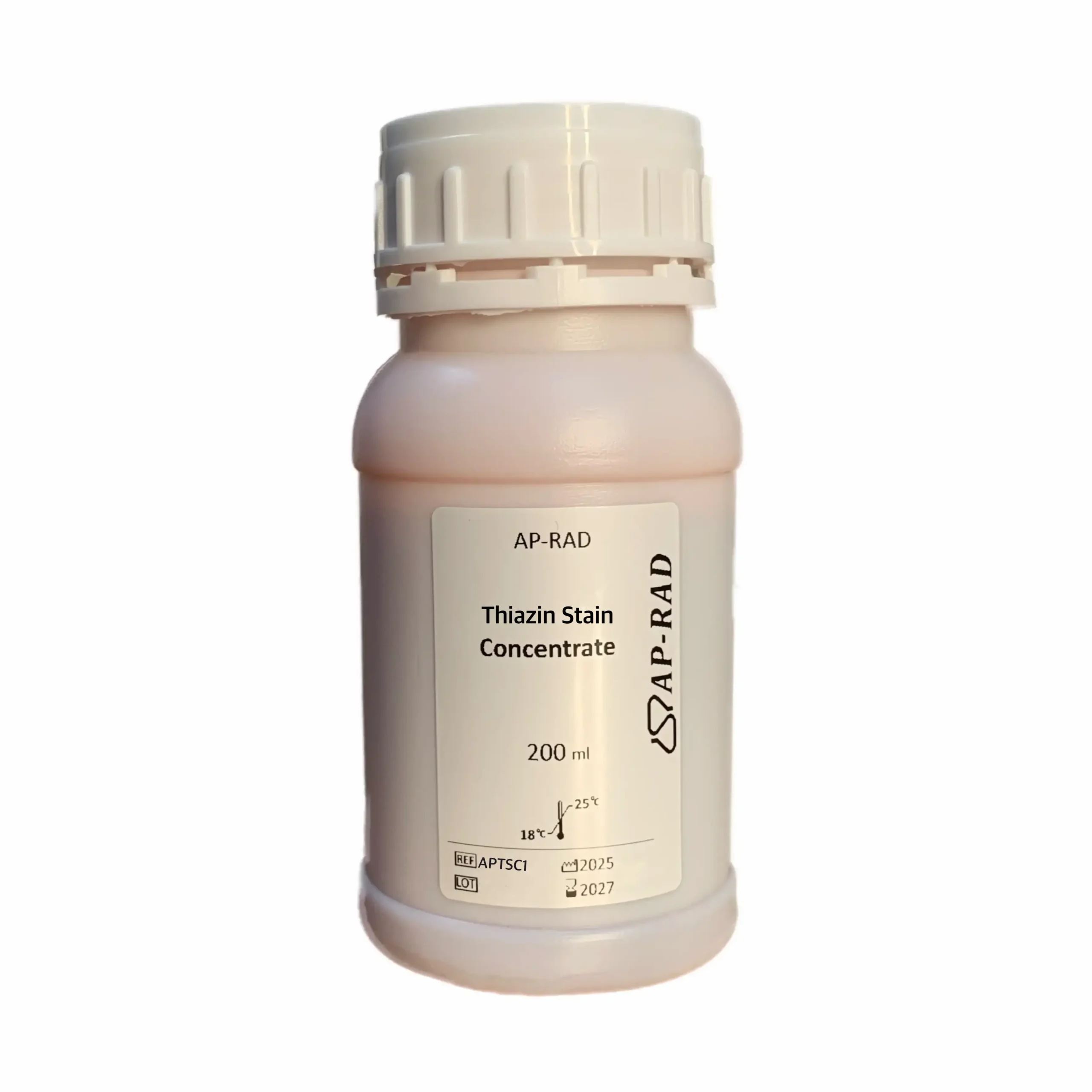
Thiazine Stain Concentrate Hematology Reagent
REF: APTSC1
RUO

Staining of:

  • Peripheral blood smears
  • Bone marrow aspirate smears
  • Body fluids
  • Sputum and other samples
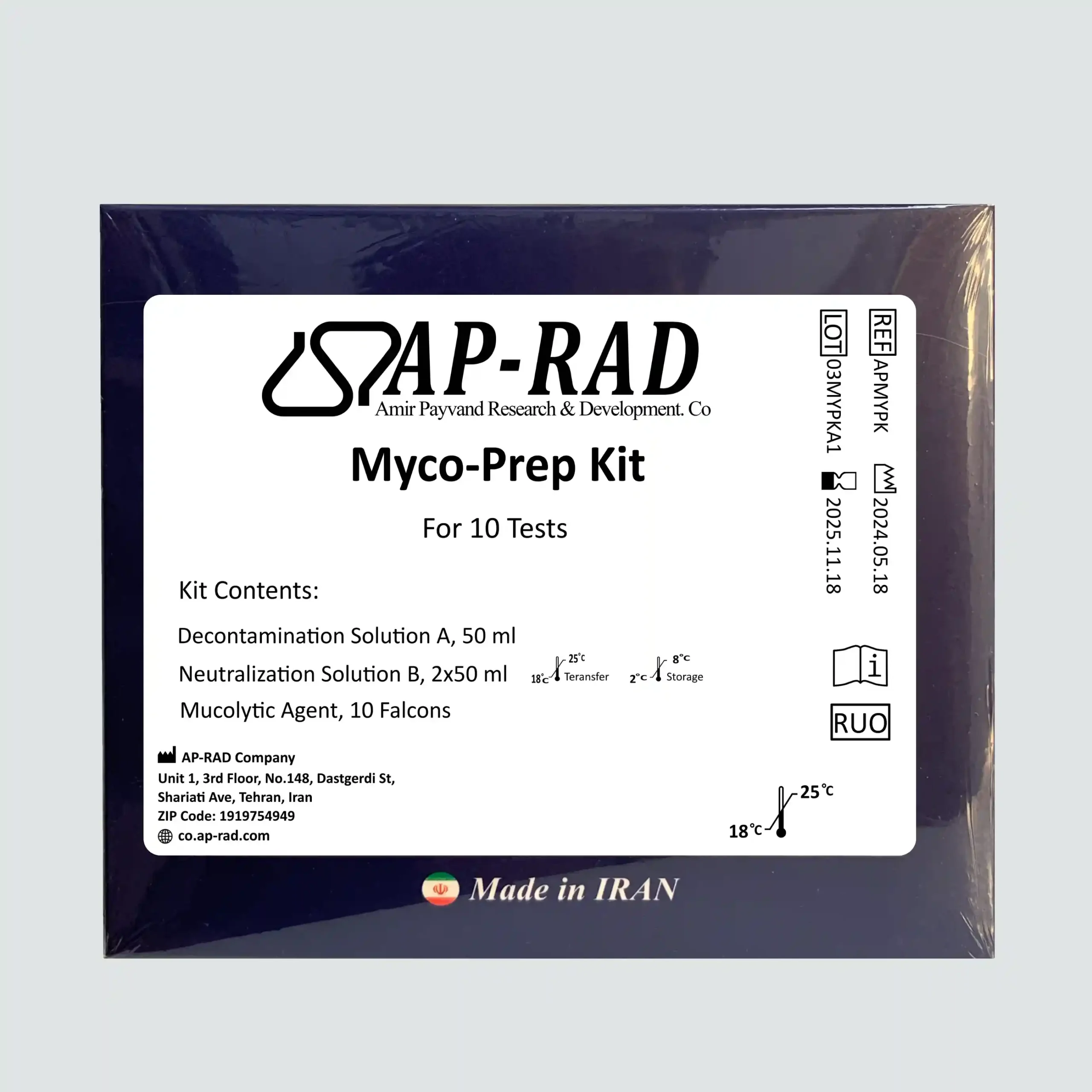
# Myco-Prep Kit
REF: APMYPK
RUO
This kit is used for preparing sputum samples for the diagnosis of mycobacteria in Acid-Fast Bacilli (AFB) staining or TB Fluorochrome staining, culture, nucleic acid testing, and other related tests.
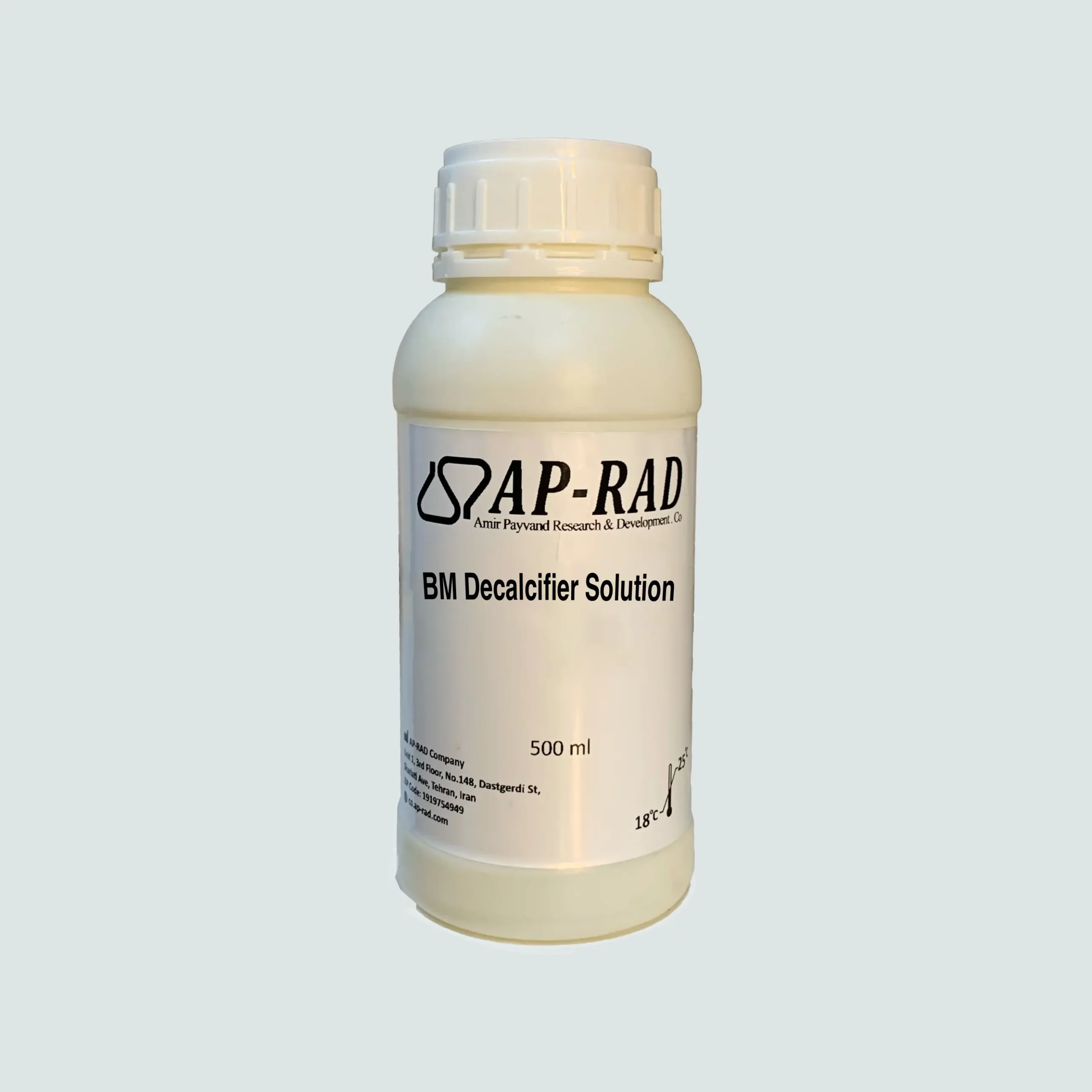
Bone Marrow Decalcifier Solution
REF: APBMDSK1
RUO
Removal of calcium from bone marrow in tissues to prevent interference in the testing process and subsequent analyses.
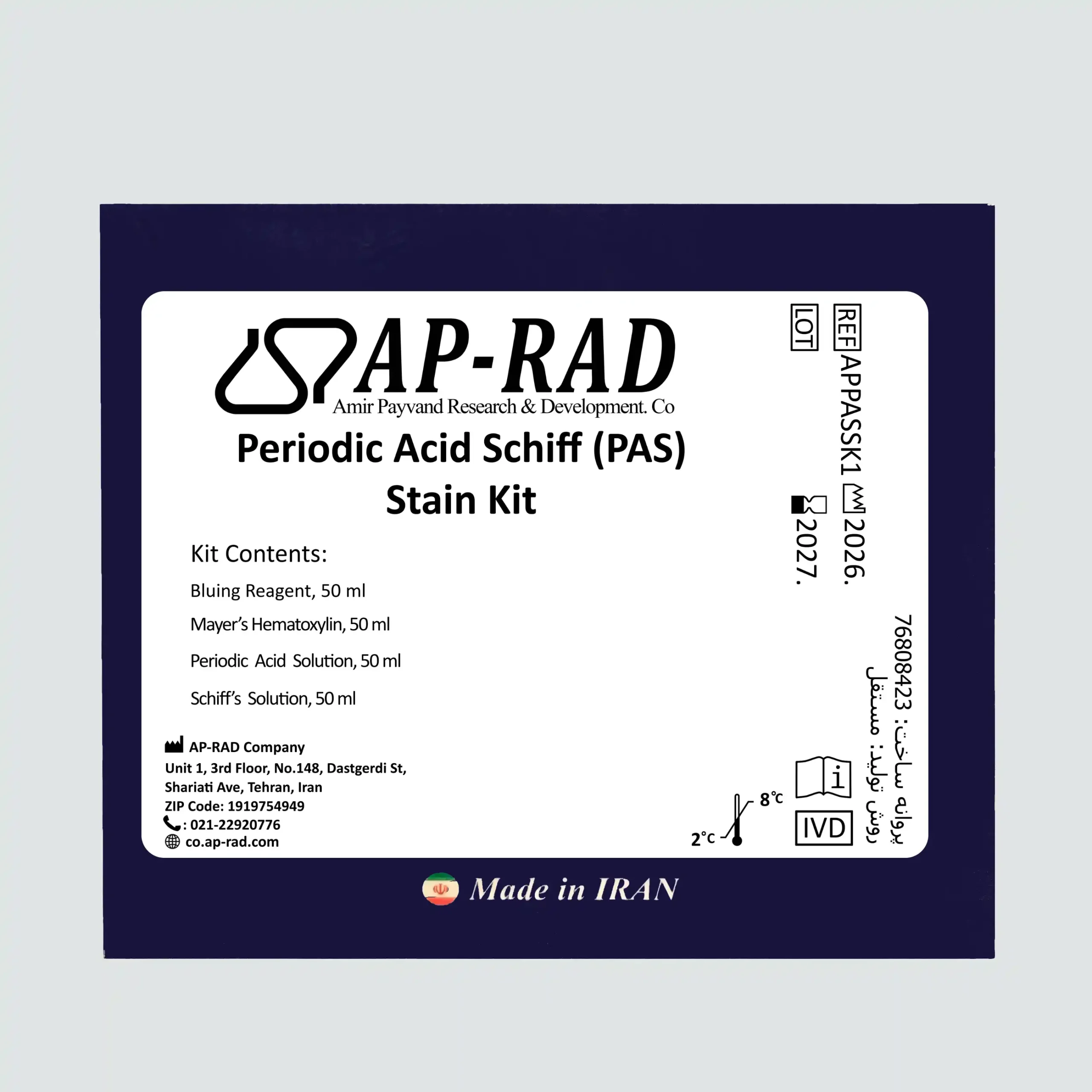
Periodic Acid Schiff (PAS) Stain Kit
REF: APPASSK1
IVD
Periodic Acid Schiff (PAS) is a staining method used to identify polysaccharides such as glycogen and mucosubstances such as glycoproteins, glycolipids, and mucins in tissue. Additionally, this staining may be used to demonstrate fungal organisms in tissue samples.
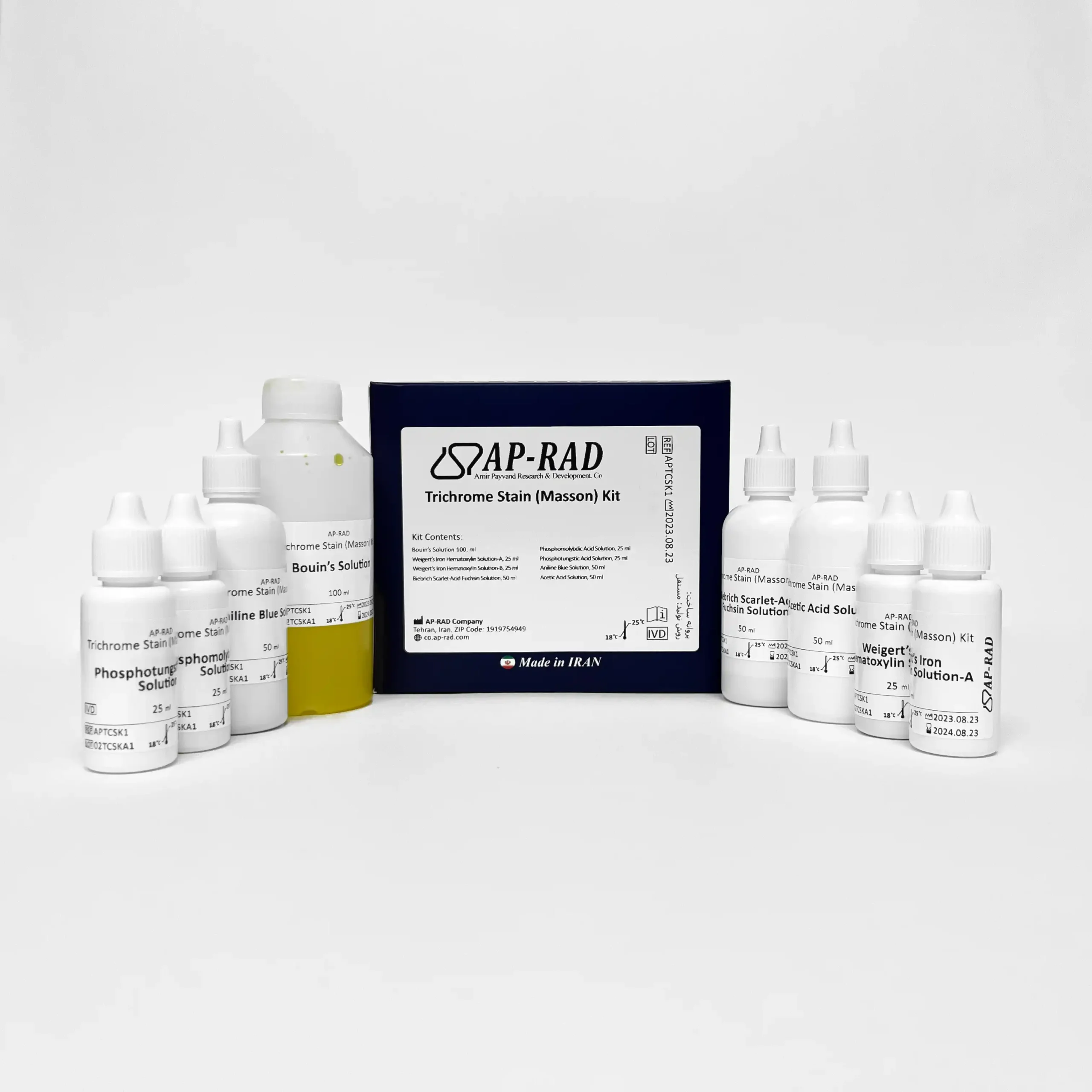
Masson's Trichrome
REF: APTCSK1
IVD
Masson’s Trichrome staining is a histological staining method used for the selective staining of collagen, collagen fibers, fibrin, muscles, and red blood cells.